Neurologic Music Therapy (NMT): How Music Supports the Brain
Neurologic Music Therapy (NMT) is a powerful intersection of music and neuroscience — a clinical, evidence-based approach that uses music to help retrain the brain. It’s not about musical ability; it’s about a trained therapist using rhythm, melody, and harmony in a structured way to engage specific neural networks and promote functional change, recovery, and connection.
How Does NMT Work?
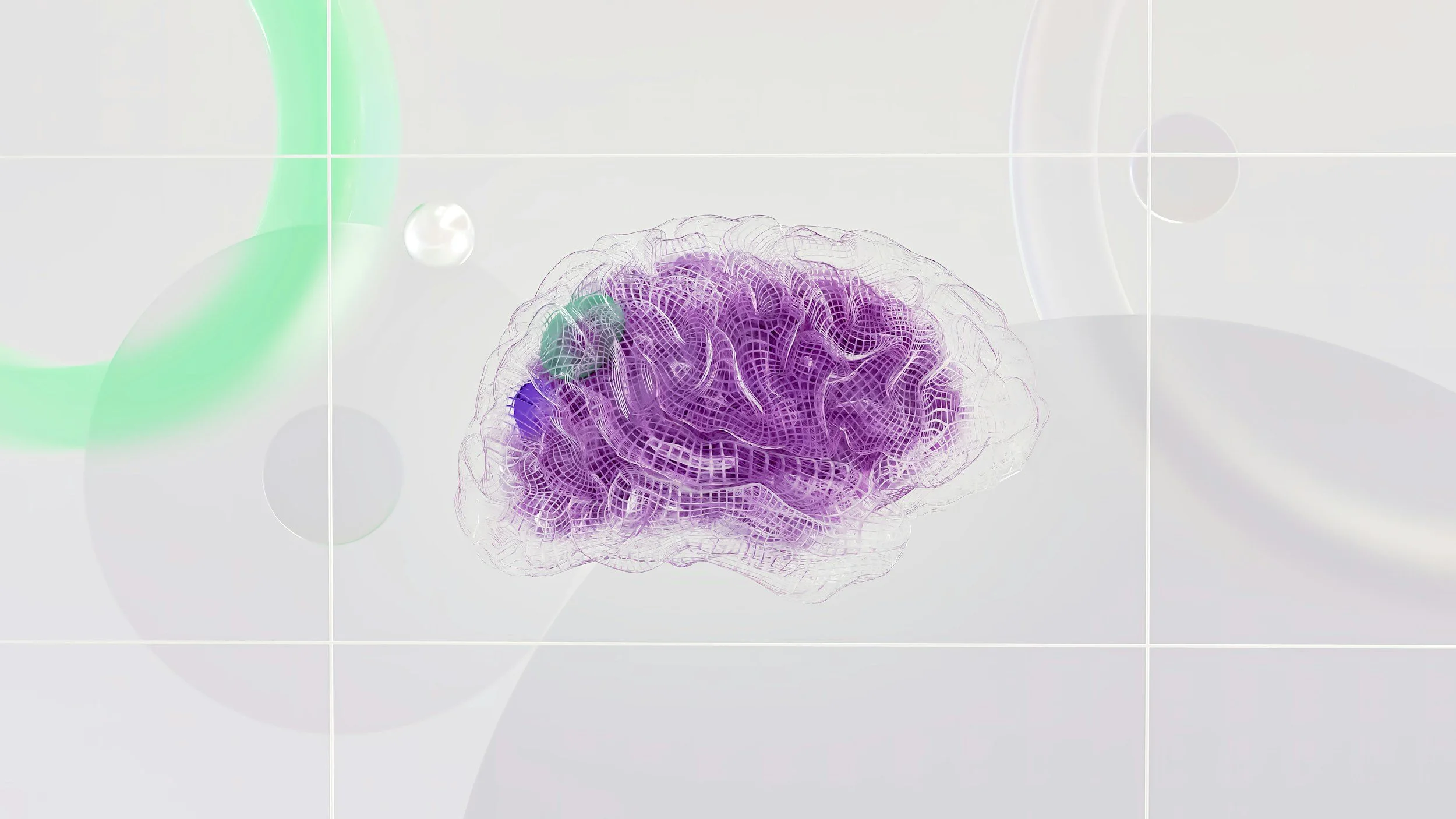
Neurologic Music Therapy works by using structured musical interventions — such as rhythm, melody, harmony, and timing — to activate and reorganize neural pathways in the brain. Because music engages multiple brain regions simultaneously, therapists can use carefully designed musical exercises to create measurable changes in speech and language, cognitive skills, and movement.
In NMT, music is intentionally applied to target specific domains, including:
Speech and language (articulation, fluency, breath, vocal control, expressive language)
Cognition (attention, memory, executive function, orientation)
Motor function (walking, balance, coordination, strength)
Music’s ability to stimulate broad neural networks makes it possible to access alternative or compensatory pathways when there is a neurological challenge. Even when part of the brain is impaired, music can support rerouting through healthy areas, promoting neuroplasticity, adaptation, and functional recovery.
Techniques Used in Neurologic Music Therapy
NMT Techniques for Speech and Language
Melodic Intonation Therapy (MIT)
MIT helps support speech production by turning functional phrases into sung or chanted melodies. It is especially effective for individuals with expressive aphasia.Oral Motor and Respiratory Exercises (OMREX)
OMREX strengthens the muscles needed for speech and breathing through vocalization and wind-instrument exercises.Vocal Intonation Therapy (VIT)
VIT develops voice control — including breath, pitch, tone, and inflection — through short melodic vocal exercises. It’s particularly helpful for individuals with limited vocal range or dysarthria.
Other Techniques are: Musical Speech Stimulation (MUSTIM), Rhythmic Speech Cuing (RSC), Therapeutic Singing (TS), Developmental Speech and Language Training through Music (DSLM), Symbolic Communication Training through Music (SYCOM).
NMT Techniques for Cognition
Musical Sensory Orientation Training (MSOT)
MSOT uses music to increase awareness, orientation, and meaningful responsiveness to time, place, and person. It’s often applied in recovery from brain injury or disorders of consciousness.
Musical Attention Control Training (MACT)
MACT uses structured musical exercises to strengthen attention skills — including sustained, selective, divided, and alternating attention — through rhythmic and auditory tasks.
Musical Executive Function Training (MEFT)
MEFT uses improvisation and composition to practice planning, problem-solving, decision-making, and self-regulation.
Other Techniques are: Musical Neglect Training (MNT), Auditory Perception Training (APT), Musical Echoic Memory Training (MEM), Musical Mnemonics Training (MMT), Associative Mood and Memory Training (AMMT), Music in Psychosocial Training and Counseling (MPC).
NMT Techniques for Motor Function
Rhythmic Auditory Stimulation (RAS)
RAS uses rhythmic cues — such as a metronome or steady beat — to synchronize walking patterns, improving gait timing, stride, and overall movement flow. It is commonly used in stroke, Parkinson’s disease, and traumatic brain injury rehabilitation.
Patterned Sensory Enhancement (PSE)
PSE uses temporal, spatial, and force cues through music to guide non-rhythmic functional movements such as reaching, lifting, and performing posture changes. This technique helps structure motion for smoother, more intentional movement.
Therapeutic Instrumental Music Performance (TIMP)
TIMP uses instrument playing as a movement-based intervention to build strength, coordination, and range of motion. Instruments are positioned strategically to encourage specific therapeutic movements.
Applications Across Populations
Neurologic Music Therapy is designed for individuals with neurological, developmental, or acquired brain-based conditions and can support goals related to communication, movement, cognition, and daily functioning. NMT may be used with clients experiencing:
Stroke or traumatic brain injury
Parkinson’s disease, multiple sclerosis, and other movement disorders
Autism spectrum and other neurodevelopmental differences
Aphasia, apraxia, and dysarthria
Alzheimer’s disease, dementia, or mild cognitive impairment
…and other neurologic or developmental conditions requiring support with movement, speech, cognition, or daily functioning.
NMT is integrated across rehabilitation, healthcare, educational, and community settings because music provides both neurological structure and emotional engagement, making it a motivating therapeutic tool.
NMT in Practice
An NMT session is structured and tailored to the client’s functional needs. Therapists begin with a functional assessment and collaborative goal-setting, followed by the Transformational Design Model (TDM) — a framework that translates therapeutic objectives into targeted, evidence-based musical interventions.
Because NMT is an evidence-based model, progress is monitored using standardized assessments, documented clinical data, and functional outcome measures.
Bringing Music Into Healing
NMT is effective because it merges the emotional power of music with the precision of neuroscience. It’s adaptable, accessible, and often enjoyable for clients — and with therapist guidance, families can reinforce musical strategies between sessions to support progress.
Beyond improving movement or speech, NMT can help restore agency, confidence, and connection, showing how meaningfully music can support neuroplastic change and well-being.
Resources cited:
Thaut, M. H., & Hoemberg, V. (Eds.). (2014). The Oxford handbook of neurologic music therapy. Oxford University Press.
The Academy of Neurologic Music Therapy. (2023). Neurologic Music Therapy Training Institute. https://nmtacademy.co
Olivia Maisel, MT-BC, MTA, NMTMusic Therapist – Board Certifiedoliviamaisel@gmail.com For more information or to schedule a session, please visit my website or contact me directly.
